
Lessons from the Tasman: Why Perseverance Beats Perfection
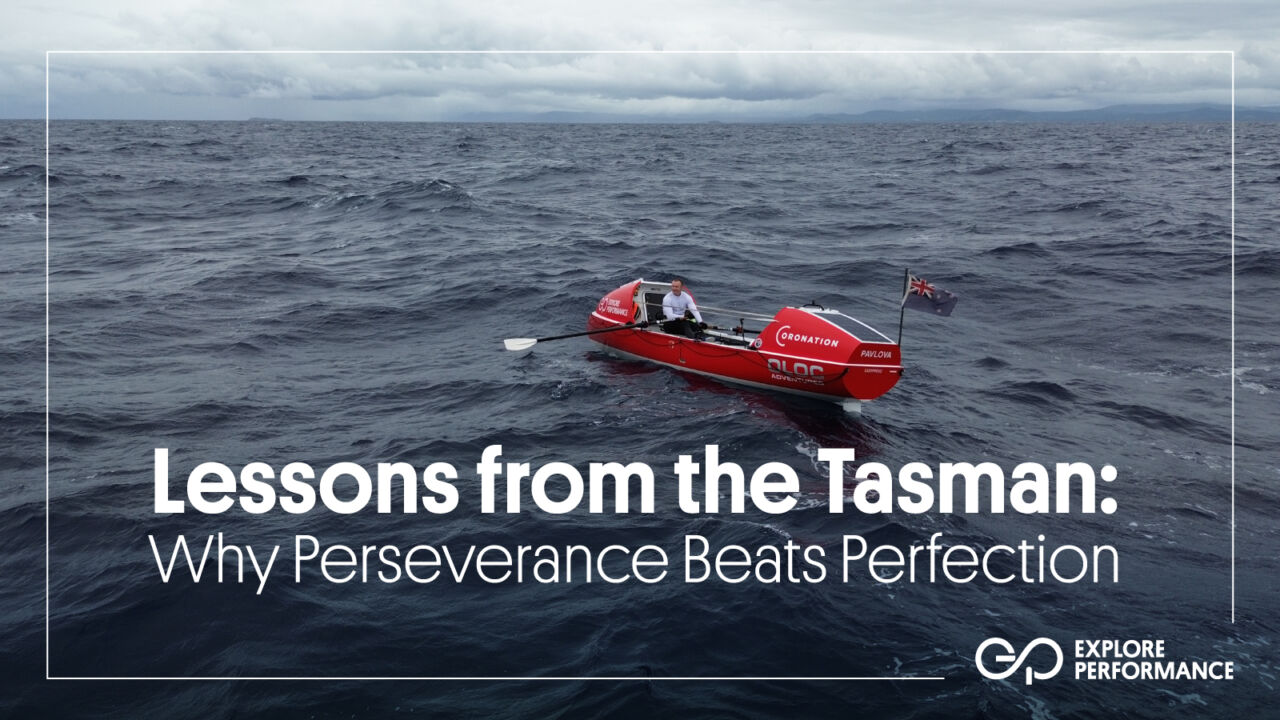
One year on: what Axe’s Tasman crossing still teaches us
When you’re repeatedly smashed by storms, capsize multiple times, and fail to reach your goal three times in a row-it would be easy to walk away...
A year ago this month, Explore Performance co-founder Grant “Axe” Rawlinson and rowing partner Luke Richmond completed the fastest row of the Tasman Sea ever recorded: 22 days, 4 hours and 40 minutes, beating the previous record by 9 days. It was Axe’s fourth attempt at the crossing and the final stage of an eight-year human-powered journey from Singapore to New Zealand. The lesson we keep coming back to, and the one we build into our leadership programmes: good decisions beat brute force, every time.
This success wasn’t the result of blind grit. It was built on mindset, learning, iteration, and team culture. And these same principles power high-performing teams in the corporate world.
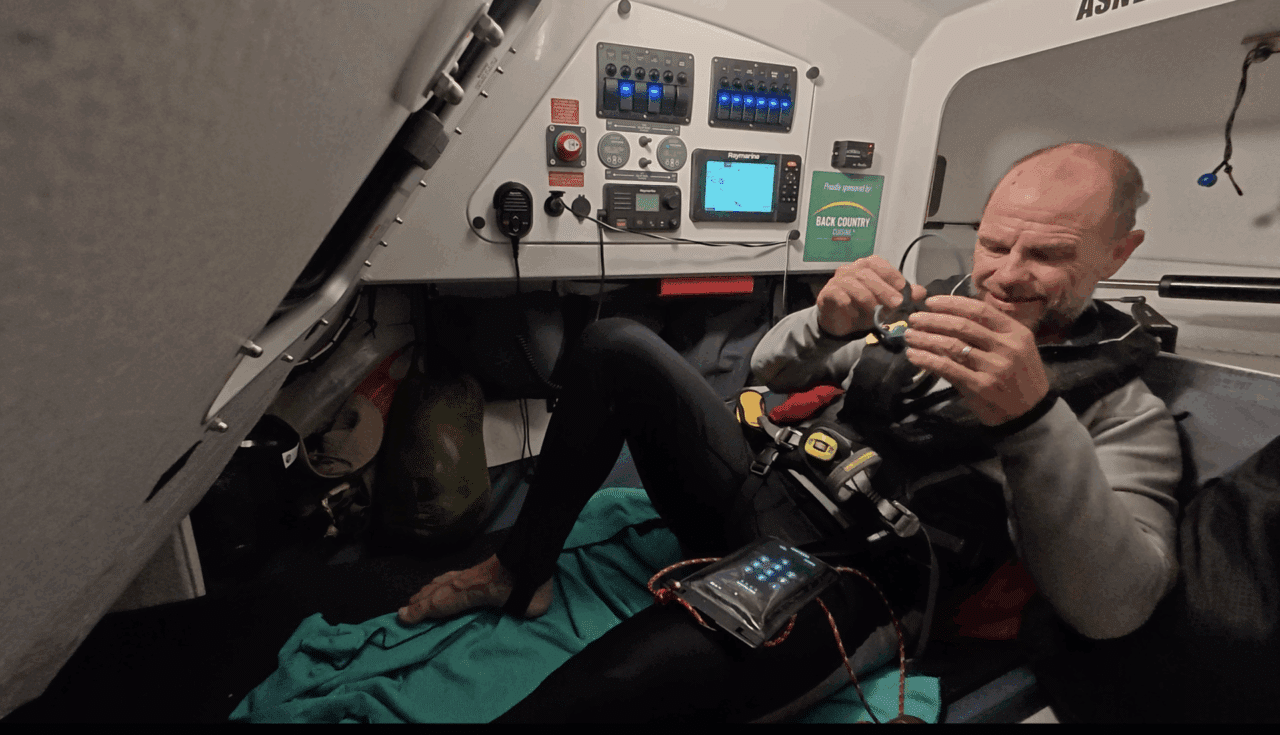
A crossing eight years in the making
Most expeditions get remembered for the finish line. This one is better understood by what came before it.
In 2017, Axe set out on a project called Rowing from Home to Home: connecting Singapore, where he’d lived for 25 years, to his birthplace in New Zealand, entirely under human power. Stage one was a 78-day row from Singapore to Australia, 4,300km. Stage two was a 4,000km cycle across the Australian continent. Stage three was meant to be the final leg: rowing the Tasman Sea to New Zealand.
It took four attempts.
Each one cost something. Physically, mentally, financially, and not just for Axe. His family and supporters carried the weight of every failed attempt alongside him. That’s not a detail we include for colour. It’s the part of the story that matters most to how we think about resilience at Explore Performance: it is rarely a solo pursuit, and the people around the person taking the risk absorb more of it than most accounts admit.
On his fourth attempt, a year ago this month, Axe and rowing partner Luke Richmond finally closed the gap. They rowed from New Zealand to Australia this time, a route with more consistent winds but one that sits directly on the tropical cyclone pathway. Tropical cyclone Alfred struck the Australian coast, directly in their path, as they departed. A separate low-pressure system hit the same coastline a day after Alfred made landfall.
They finished in 22 days, 4 hours and 40 minutes. The previous record stood at 31 days. A standard crossing takes around 60.
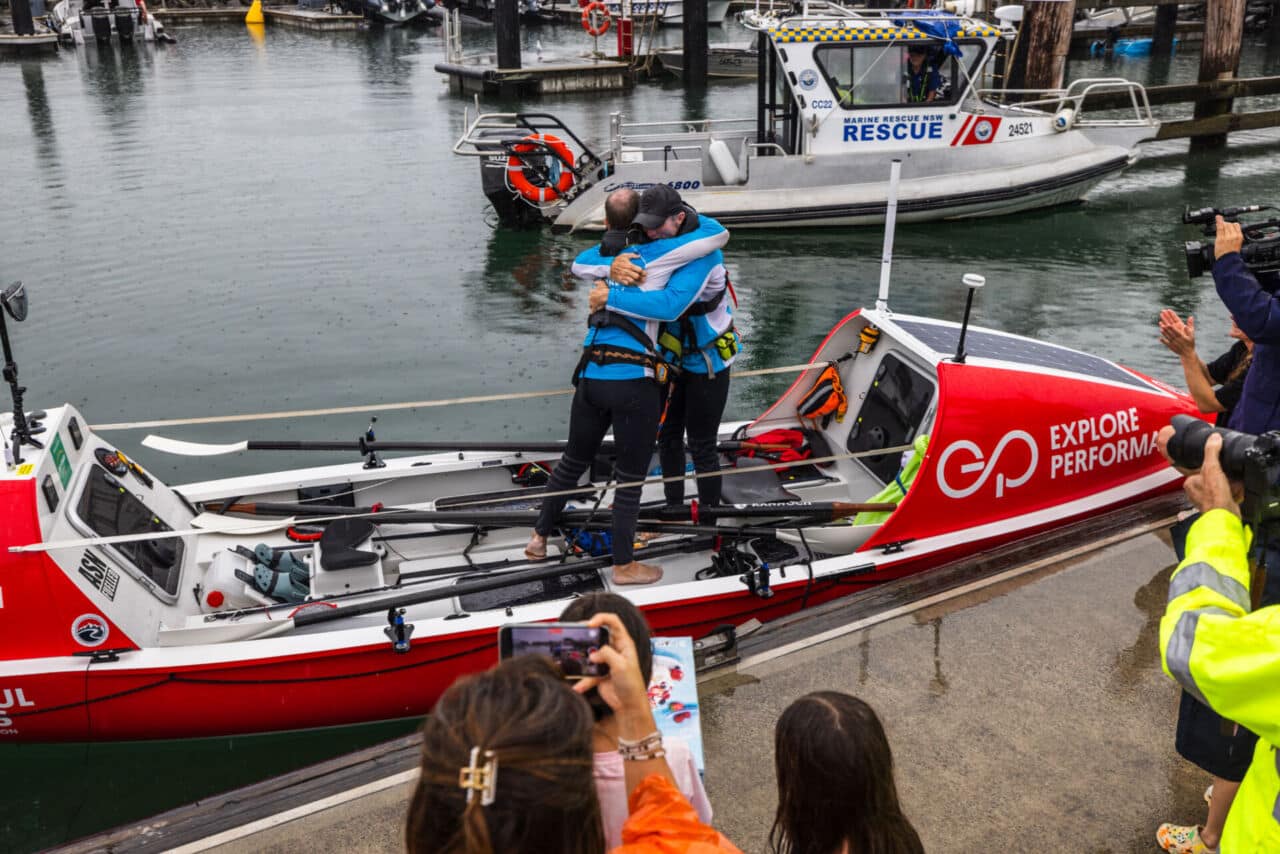
The decision that mattered more than the distance
Ask Axe what got him across, and the answer isn’t strength. It’s judgement.
“Speed equals safety on this route,” he said at the time, “and in the end, good decisions, not brute force, got us over this quickly.”
That distinction sits at the centre of how we design leadership programmes. Most development work still teaches endurance: push harder, dig deeper, grind it out. Axe’s crossing argues for something more useful. The team that made the smartest calls, in real time, under genuine pressure, beat the record by nine days. The team that had simply tried the hardest had already failed four times.
We see the same pattern in the organisations we work with. The leaders who perform under pressure aren’t always the most driven in the room. They’re the ones who can read a changing situation and adjust the plan before the plan breaks them.
What perseverance actually looks like
Three failed attempts would end most projects. Axe’s own account of the fourth attempt is honest about what kept him going: not certainty of success, but an unwillingness to leave the question unanswered.
“I am not sure how I would have reacted if I failed on the fourth attempt,” he said, “but I know I would have had to try again.”
That’s a harder, more useful version of perseverance than the one usually sold in corporate training rooms. It isn’t relentless positivity. It’s a daily, deliberate return to a hard question, for eight years, until the answer changed. Every leadership journey we build asks people to sit with that same discomfort, on a smaller scale: showing up to the same difficult challenge, repeatedly, long after the first attempt at motivation has worn off.
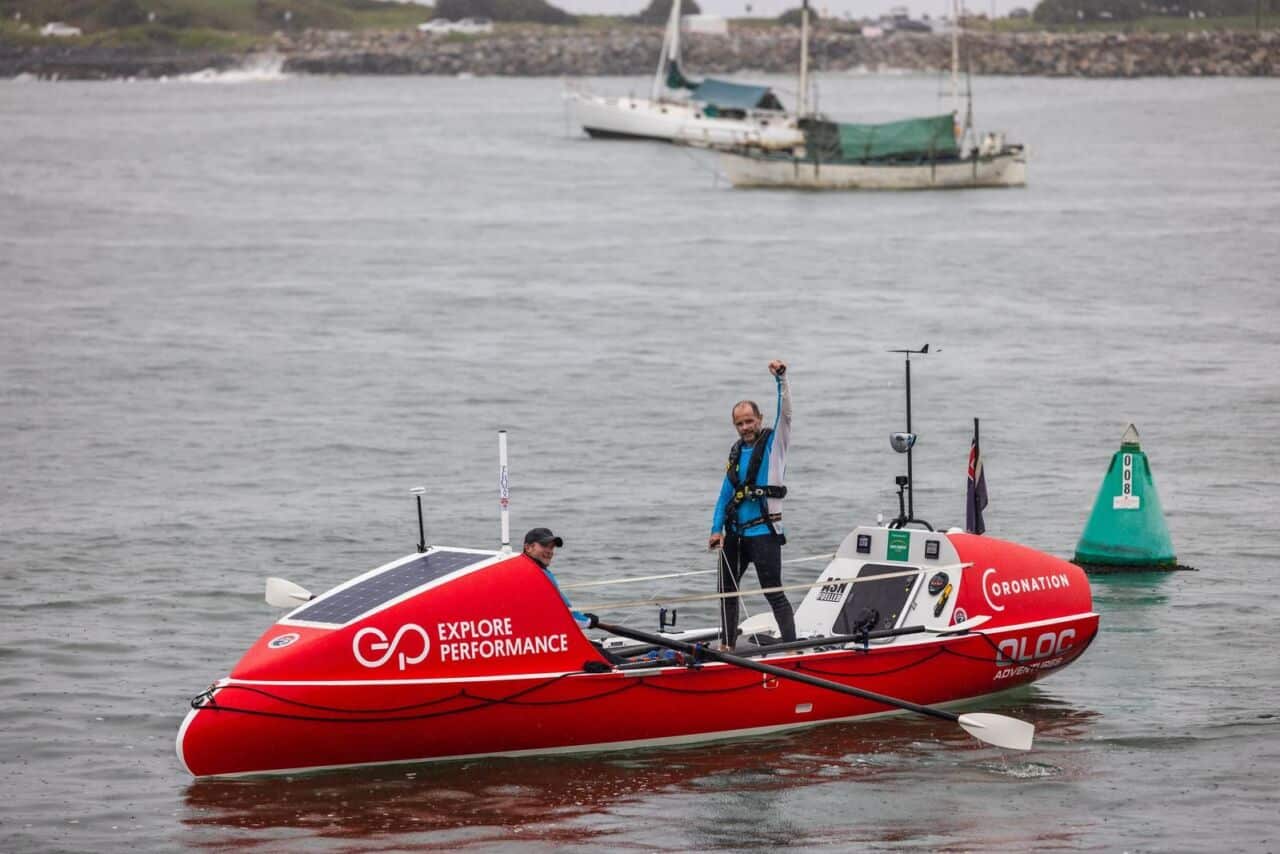
Why this still matters to our clients
A year on, the record stands. But the reason we’re returning to this story isn’t the record. It’s what the crossing represents: a live, unscripted example of decision-making under genuine consequence, which is exactly the terrain our programmes are built on.
Axe’s expeditions aren’t a marketing device layered onto our content. They’re the source of it. Back on land, that same judgement under pressure is what he brings to his day job leading leadership development in Singapore at Explore Performance, where our facilitators draw on lived, first-hand accounts like this one rather than borrowed theory.
That’s the difference between a leadership programme that informs and one that changes how people think under pressure.
FAQ
Who completed the Tasman Sea crossing?
Explore Performance co-founder Grant “Axe” Rawlinson, alongside rowing partner Luke Richmond.
How long did the crossing take?
22 days, 4 hours and 40 minutes, beating the previous fastest crossing by 9 days.
Why was this attempt different from the others?
It was Axe’s fourth attempt and his first travelling from New Zealand to Australia rather than the reverse route. The NZ-to-Australia direction offers more consistent winds but crosses the tropical cyclone pathway, which the team navigated around tropical cyclone Alfred and a separate low-pressure system.
How does this connect to Explore Performance’s programmes?
Axe’s expeditions form the foundation of EP’s expedition IP. His account of decision-making, risk, and sustained effort under pressure is used directly in the design of our leadership development programmes.