
Everest: For Those Who Dare.

Mid-year is the moment most leadership teams pause, take stock, and decide whether they are set up to finish well. This is the experience that makes that conversation count
It is the moment most organisations either drift through or choose to use. The ones who use it ask a harder question: are the behaviours on this team actually capable of delivering the strategy we have set?
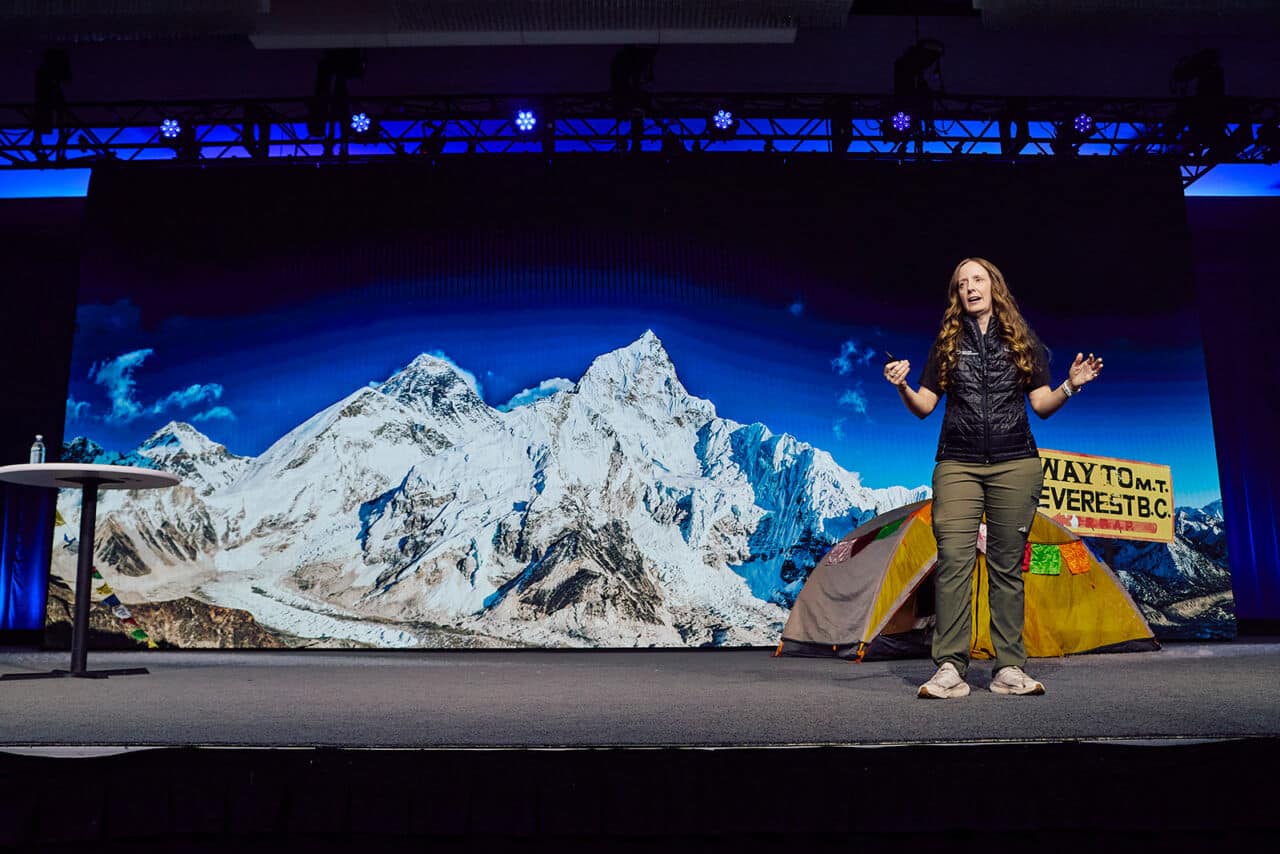
Explore Performance’s For Those Who Dare (Everest) Experience is built for that question. It is a real programme, grounded in the actual Everest summit bids of Grant ‘Axe’ Rawlinson — co-founder of Explore Performance — whose attempts on the mountain produced the expedition footage, the hard-won frameworks, and the unvarnished lessons about what it takes for a team to reach a summit that no individual could reach alone.
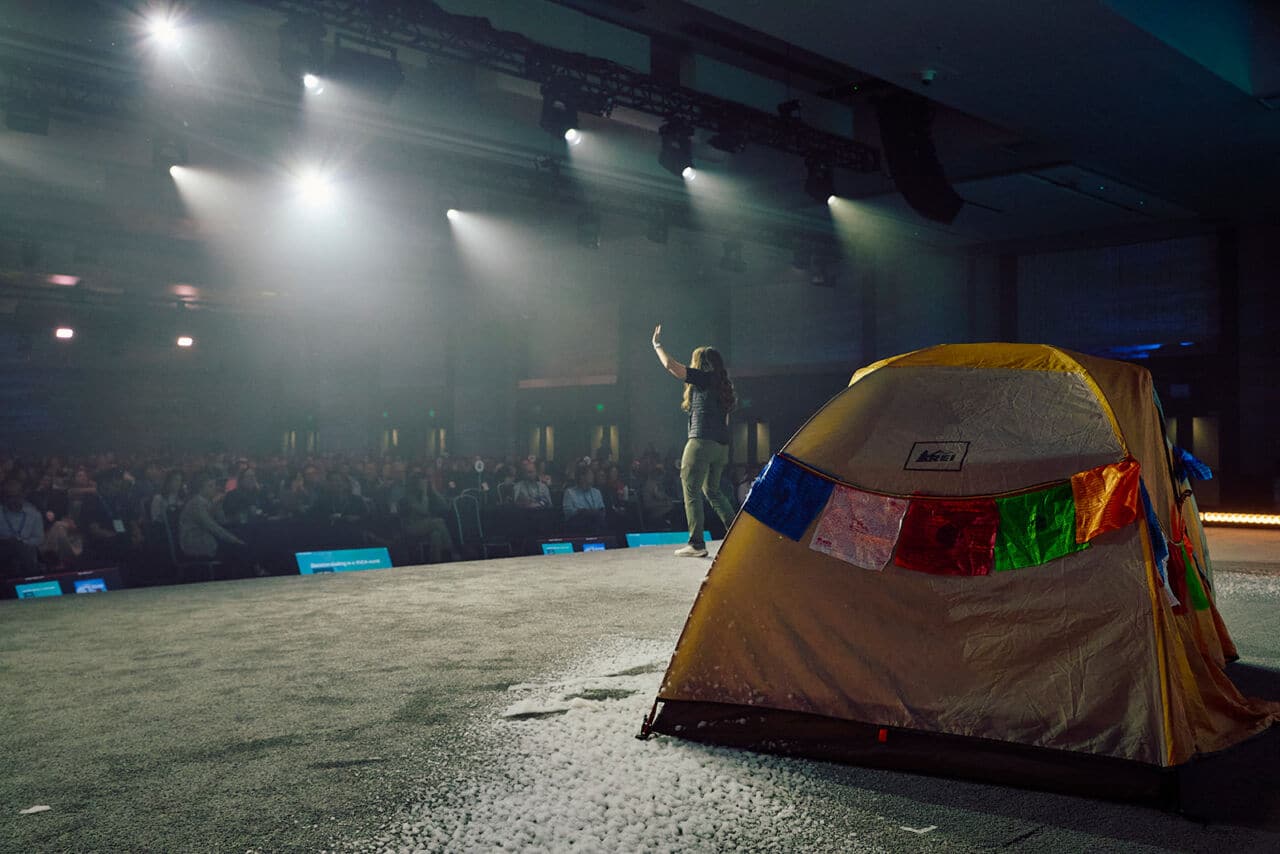
Using that footage as the narrative red thread, the For Those Who Dare (Everest) Experience puts teams inside the conditions that reveal how they really operate — under pressure, with real stakes, and with only each other to rely on. What surfaces in the room is honest. What participants leave with is specific: shared language, individual commitments, and a clearer picture of what this team needs to do differently in the second half of the year.
Not a motivational experience. Not a team build. A structured, facilitated session designed to change behaviour.

Where this experience fits
The conversations most teams need to have
01 From individual to collective
High-performing individuals do not automatically make a high-performing team. Everest is unambiguous on this point: the mountain does not care how good you are individually. What determines the outcome is how well the team operates together. The For Those Who Dare (Everest) Experience shifts that frame — from personal success to shared accountability — in a way that a workshop cannot.
02 Building trust and psychological safety
The teams that fail on Everest are often the ones where people saw the warning signs but did not speak up. The teams that succeed create conditions where every voice is heard and every concern is taken seriously. The For Those Who Dare (Everest) Experience gives your leaders a direct encounter with what psychological safety actually requires — and what it costs when it is absent.
03 Mid-year course correction
June is the right moment to look honestly at whether the behaviours on your team match the demands of your strategy. The For Those Who Dare (Everest) Experience gives newly formed or re-forming teams a structured way to reset: identify what is working, name what is not, and make specific commitments about how the second half of the year will be different. The Everest context removes defensiveness. The conversations that follow are real.
04 Aligning leaders behind strategy
Understanding a strategy and being genuinely committed to it are different things. Leaders who feel heard, trusted, and clear on how their role connects to the summit are the ones who bring others with them. The For Those Who Dare (Everest) Experience is designed to close that gap — between the strategy on the page and the belief in the room.
What the For Those Who Dare (Everest) Experience develops
The behaviours that determine whether teams succeed
The ABCDE of highly aligned teams
Alignment. Belonging. Communication. Decision making. Empowerment. The five conditions that separate teams who summit from teams who turn back — drawn directly from Axe Rawlinson’s Everest expeditions. Participants score their team against the framework, have an honest conversation about where the gaps are, and leave with specific commitments.
Psychological safety and speaking up
Most teams have people who see problems clearly but do not say so. The For Those Who Dare (Everest) Experience shows, vividly, what that costs. It creates the conditions for the honest conversation — and gives leaders a practical framework for making it the norm, not the exception.
Decision making, ownership and accountability
On the mountain, decisions that get escalated too slowly cost lives. In organisations, the same pattern shows up as paralysis, drift, and frustration. The For Those Who Dare (Everest) Experience draws a direct line between empowerment and outcome — and gives teams a shared language for calling it when the pattern repeats.
See the experience:
Every person who has ever stood on the summit of Everest got there because of the team behind them. Alignment, honest communication, cognitive diversity and genuine empowerment are what get you there — not one person’s ability to push hardest. That is as true at 8,849 metres as it is in any organisation trying to do something difficult.
If not now, when?
Mid-year is the natural point to ask whether your team is set up for the second half. If the honest answer is that trust, alignment, or accountability are not where they need to be — this is a conversation worth having.
The For Those Who Dare (Everest) Experience can be delivered virtually or in person. The duration of the session depends on how deeply you want to go and the nature of the meeting or event it sits within. We will help you work out the right shape for your context.